

bsoweb
Ottobre 14, 2025
Comments 0
Online dating has transformed how we form romantic connections, evolving from niche platforms to mainstream relationship builders. Understanding the psychology behind online dating is essential for navigating this digital landscape successfully. The allure of meeting compatible individuals from the comfort of our homes has made online dating a preferred method for many. Whether you’re searching for serious relationships or casual connections, the digital realm offers unprecedented opportunities to find meaningful companionship. This exploration into the psychology of online dating will help you understand why certain strategies work better than others and how to present your authentic self in a way that attracts the right matches.
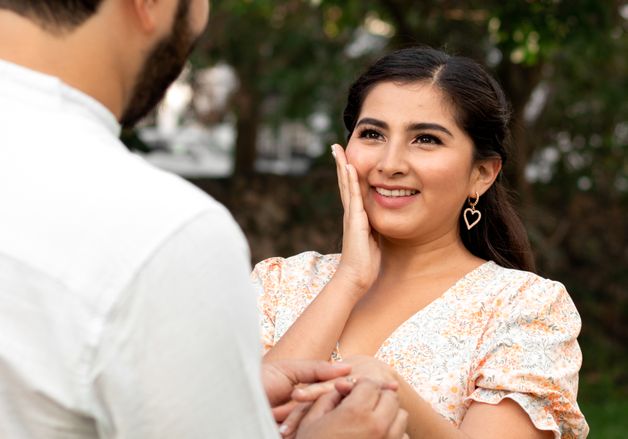
Dating platforms have revolutionized our approach to finding love, creating a unique ecosystem where first impressions are formed through profiles instead of face-to-face interactions. This is exactly where a specialized sugar baby dating sites houston proves its real value. The psychology behind this shift is fascinating, as we adapt to evaluating potential partners based on limited information while still seeking genuine connections. When exploring sugar baby dating sites houston, users must navigate a complex interplay of expectations, desires, and self-presentation that differs significantly from traditional dating scenarios.
Understanding the motivations that drive people to online dating platforms is crucial for anyone navigating this space. Research indicates that users often seek validation, companionship, or specific relationship configurations that may be harder to find through conventional social channels. The psychology of online dating reveals that people present idealized versions of themselves, creating profiles that reflect their aspirations rather than their complete reality. This phenomenon leads to the question of how genuine connections can form when initial interactions are carefully constructed digital performances rather than authentic encounters.
Creating an online dating profile is a complex exercise in self-presentation that balances authenticity with appeal. The psychology of profile creation shows that users carefully curate their images, bios, and interests to maximize their attractiveness while remaining true to their core identities. This delicate dance often results in profiles that highlight desirable traits while minimizing perceived flaws. Research indicates that profile photos receive the most attention, with individuals selecting images that showcase their best attributes in favorable settings. Understanding this aspect of online dating psychology helps explain why certain profiles attract more attention than others and how users can optimize their own presentation without compromising their authenticity.
One fascinating aspect of online dating psychology is the paradox of choice—the more options available, the harder it becomes to make decisions. Dating platforms typically present users with hundreds or even thousands of potential matches, creating decision fatigue rather than facilitating romantic connections. Psychology research suggests that when faced with too many options, people often experience analysis paralysis, leading to superficial evaluations and potential regrets about their choices. This phenomenon explains why many online daters exhaustively browse profiles but struggle to commit to initiating contact or advancing conversations. Understanding this psychological challenge can help daters develop more selective approaches rather than attempting to engage with every potential match.
Building emotional rapport without physical presence represents a unique psychological challenge in online dating. The absence of shared experiences and nonverbal feedback requires daters to create connection through words alone. Psychology studies show that successful online communicators tend to ask thoughtful questions, share personal information gradually, and express genuine interest in their conversation partners. These strategies help overcome the inherent limitations of digital interaction and foster emotional intimacy even across distances. Understanding how to build this type of connection can significantly improve the online dating experience, transforming superficial exchanges into meaningful conversations that have the potential to develop into real relationships.
Rejection is an inevitable part of dating, but the digital format introduces unique psychological challenges compared to traditional encounters. Online dating often involves silent rejections—unanswered messages, profile views without reciprocation, or sudden disappearances after conversations begin. These ambiguous forms of rejection can be particularly difficult to process because they lack closure and explanation. Psychology research suggests that digital rejection activates similar brain responses as physical rejection, potentially impacting self-esteem and confidence. Understanding this phenomenon helps normalize rejection as part of the online dating process rather than taking it as a personal reflection of one’s desirability or value.
| Psychological Factor | Impact on Online Dating |
|---|---|
| Curated Self-Presentation | Creates idealized versions that may limit authentic connections |
| Limited Nonverbal Cues | Increases potential for misinterpretation and communication challenges |
| Choice Overload | Leads to superficial evaluations and decision fatigue |
| Ambiguous Rejection | Causes psychological stress due to lack of closure |
| Asynchronous Communication | Creates delays in relationship development and emotional bonding |
| Performance Anxiety | Encourages strategic self-presentation over authenticity |
Establishing trust represents one of the most significant psychological challenges in online dating. The absence of traditional social cues and verification methods creates uncertainty about the authenticity of profiles and intentions. Psychology research shows that trust develops gradually through repeated positive interactions and consistency between stated values and demonstrated behaviors. Online daters can build this trust by sharing information gradually, maintaining consistent communication patterns, and verifying information through video calls before meeting in person. Understanding these psychological principles of trust formation helps create safer, more fulfilling connections in the digital dating space while maintaining appropriate boundaries and personal protection.
When planning to meet someone from online dating, prioritize safety by choosing public locations for initial encounters and informing a friend about your plans. This psychological safety net reduces anxiety and creates a more comfortable environment for both parties. The transition from digital to real-world interaction often triggers nervousness due to the increased stakes and potential for disappointment, so selecting familiar, neutral venues can ease this psychological pressure. Remember that your emotional well-being is paramount, and you’re entitled to end any interaction that doesn’t feel comfortable or authentic.
Why do people use online dating platforms?
Online dating appeals to many because it offers efficiency, expanded social circles, and compatibility-matching features that traditional dating lacks. Psychologically, it satisfies our need for connection while accommodating busy lifestyles and specific relationship preferences that may be difficult to fulfill through conventional social channels.
How can I create an authentic dating profile?
Authentic profiles balance honesty with appeal by featuring recent photos and describing yourself accurately while highlighting your genuine interests and values. Psychology suggests that profiles reflecting true personality traits attract compatible matches rather than generating interest based on idealized representations that may not align with your actual self.
Why do online conversations often fizzle out?
Digital communication fatigue, mismatched expectations, and the superficial nature of initial interactions often cause conversations to stall. Psychology research indicates that maintaining consistent communication patterns, asking thoughtful questions, and gradually increasing self-disclosure can help sustain interest and develop meaningful connections.
How do I handle rejection in online dating?
View online rejection as compatibility rather than personal judgment. Psychology research shows that self-affirmation activities, maintaining perspective that rejection is normal, and focusing on quality rather than quantity of interactions can reduce emotional impact and maintain psychological well-being during the dating process.
The psychology of